
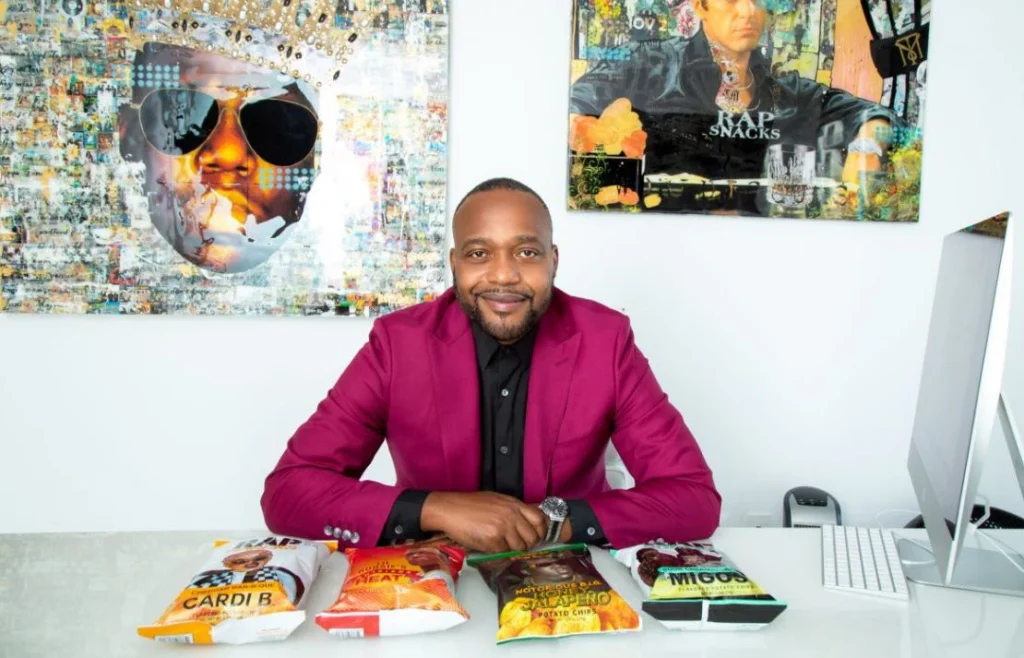
Rap Snacks is a modern case study in culturally fluent branding. The company took a familiar product category—convenience-store snacks—and turned the packaging into the primary storytelling surface. Each bag functions like a limited-edition collaboration, pairing recognizable artists with flavors that reflect their persona, language, and audience. The brand’s success is driven by four consistent principles: authentic partnerships rooted in hip-hop culture, product naming that reads like a lyric or catchphrase, a unified visual identity across multiple snack categories, and wide distribution that places the brand in everyday retail environments rather than niche channels.
Rap Snacks’ partnership strategy is central to its growth. Cardi B’s line includes Honey Drip Butter Popcorn, Jerk BBQ Wavy Chips, Habanero Hot Cheese Popcorn, and Cheddar Bar-B-Que Chips—flavors that mirror her bold public image and appeal to both fans and casual snack buyers. Migos expanded the brand’s remix concept with flavors such as Sour Cream With a Dab of Ranch and Bar-B-Quin With My Honey With a Dab of Ranch, extending those profiles into cheese puffs and other formats. Rick Ross’ Sweet Chili Lemon Pepper chips build on a familiar cultural flavor reference while adding a distinctive twist, and his partnership also extends into candy products. Master P’s Honey BBQ Oowee Wavy Chips, along with related cheese puffs and pork skins, demonstrate how a single partnership can scale across multiple snack categories. Additional collaborations with artists such as Boosie, Fetty Wap, Romeo, Lil Baby, NBA YoungBoy, and Nicki Minaj reinforce Rap Snacks’ ability to remain current while maintaining a consistent brand system.
At the center of Rap Snacks is Founder and CEO James Lindsay. Under his leadership, the company positioned itself as “the official snack of hip-hop,” but more importantly, Lindsay built a repeatable business model that blends licensing, mass retail distribution, and cultural authenticity. Rather than relying on one-off celebrity endorsements, Rap Snacks treats each collaboration as a long-term brand extension, allowing artists to participate in ownership narratives while keeping the core brand recognizable on shelves nationwide.
That same brand discipline is now being applied to Lindsay’s newer venture, Do The Right Thing. The brand introduces vegetable-based snacks made with ingredients such as real vegetables and avocado oil, positioning itself within the growing better-for-you snack market. Products like Veggie Krackle show how culturally rooted brands can expand into healthier categories without abandoning flavor, accessibility, or visual appeal. This move reflects an important evolution: applying the lessons of successful cultural branding to products that better support long-term community health.
The importance of this shift cannot be overstated. Black-owned brands have historically faced barriers to scale, distribution, and ownership in the food industry. Rap Snacks proves that authentic storytelling and cultural relevance can earn national shelf space. Do The Right Thing builds on that foundation by addressing the need for healthier alternatives in communities that are often underserved by better-for-you products. Together, the brands demonstrate that representation is not only about visibility, but about leadership in product quality, business strategy, and consumer well-being.
In addition to redefining snack culture through flavor and cultural resonance, Do The Right Thing is rapidly scaling its retail footprint. In early 2026, Do The Right Thing chips earned a nationwide distribution deal with Costco, placing its better-for-you Veggie Krackle lineup—crafted with real vegetables, gluten-free formulation, and cooked in 100% avocado oil—on shelves across the United States in bulk club environments. Following the Costco rollout, the brand has also expanded into mainstream grocery channels with placement planned or active in all 1,800 Kroger stores nationwide, significantly widening access to healthier snack alternatives. This expanded distribution underscores the strategic objective of bringing culturally relevant, better-for-you products into core retail ecosystems where Black-owned brands have historically been underrepresented, reinforcing that cultural storytelling and wellness can coexist at scale.
Rap Snacks and Do The Right Thing offer valuable lessons for entrepreneurs and creatives building brands today: culture must be respected, partnerships must feel earned, and long-term impact requires both smart branding and responsible product decisions. This approach aligns closely with Making A Brand’s mission—teaching creators how to build businesses that are culturally relevant, commercially viable, and socially meaningful.
Related Links
Rap Snacks Official Website: https://www.rapsnacks.net
Rap Snacks Product Collections: https://www.rapsnacks.net/collections/all
James Lindsay – CEO Profile: https://www.rapsnacks.net/pages/james-lindsay
Do The Right Thing Snacks: https://www.dotherightthingsnacks.com
Do The Right Thing at Costco: https://sameday.costco.com/store/costco/collections/rc-fruit-vegetable-snacks