
From Museums to Movie Screens: Sean Williams’ Masterclass In Sneaker Storytelling
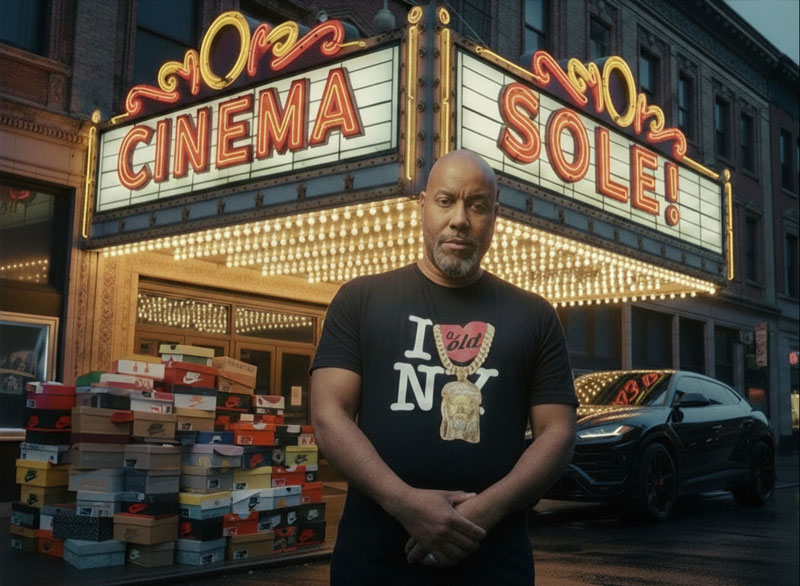
Sean “Opus 1” Williams (also known as Paperchasr of OSD) doesn’t just appreciate sneakers — he evangelizes them. The Brooklyn-born multi-hyphenate has spent more than a decade transforming his passion for kicks into a global education movement. Now, he’s bringing that expertise to MakingABrand.co with a new course: Cinema SOLE. Known worldwide as “The SneakerVangelisT,” Williams occupies a unique space in sneaker culture — not as a collector chasing grails, but as an educator building pathways into the industry for underrepresented communities. His work elevates sneakers from objects of desire to subjects worthy of cultural and academic study. In 2013, he and co-founder Dee Wells began curating major exhibitions, including The Rise of Sneaker Culture, created by the Bata Shoe Museum in Toronto. Since then, their curatorial work has reached more than 13 million people worldwide, appearing at venues ranging from the Port Authority Bus Terminal in Manhattan to Capitol Hill for the Congressional Sneaker Caucus. But contrary to what some might assume, the exhibitions didn’t come first. “SOLEcial Studies actually started in 2011,” Williams explains. “We’re now in our 15th year and still pushing forward.” “We use exhibitions as a way to open the door to conversations about sneaker industry education,” Williams says. That educational mission has become the foundation of SOLEcial Studies — a curriculum that treats sneakers as wearable art, exploring their relationship to identity, design, commerce, and cultural movement. His current exhibition, The SneakerVangelisT, running March 25 through April 5, 2026 at The Westport Library as part of VersoFest 2026, showcases one-of-one digital graphic works that reinterpret iconic sneaker models — some as ideal artistic canvases, others as celebrated muses. Each piece is, in his words, “a love and appreciation for kicks.” Now, Williams is expanding the SOLEcial Studies curriculum with an online course made for the MakingABrand.co community: Cinema SOLE. The course explores how sneakers have functioned in cinema not merely as costume elements, but as narrative devices, character development tools, cultural signifiers, and brand-building moments. One of the clearest examples appears in Spike Lee’s Do The Right Thing (1989). In a pivotal scene, Buggin Out (Giancarlo Esposito) confronts a neighbor after his pristine Air Jordans are scuffed. The moment is more than comic tension — it foreshadows conversations about race, space, ownership, and the wave of gentrification that would later reshape Brooklyn itself. “The scene was basically addressing and predicting what would later become an avalanche of gentrification in my native Brooklyn,” Williams notes. Through moments like these — and others from films such as Back to the Future II, Forrest Gump, and He Got Game — the course reframes sneakers as cinematic storytelling tools. Williams’ goal is simple but ambitious: “My mission is for people to never see sneakers the same way ever again.” Beyond cultural appreciation, there is urgency in that mission. “The selfish goal is to educate and empower more women and people of color to actively and aggressively seek out careers in the sneaker industry,” he says. “It’s stale and predictable because it needs new people across the board. There’s room for everyone in this multi-billion-dollar global industry.” For brand builders, marketers, and creatives, Sneakers in Film offers something rare: a case study in how objects become symbols, how products transform into cultural currency, and how authentic storytelling creates lasting brand value. Williams understands that sneaker brands mastered something many companies still struggle with—building communities that see their products not as purchases, but as pieces of personal identity. The key lesson? “The stories matter,” Williams emphasizes. “The ones behind the scenes that go into the making of a thing are just as important as the upfront story crafted to influence a purchase. Those two stories aren’t the same, but they’re both critical.” That insight — the duality between origin story and marketing narrative — is where Cinema SOLE becomes a masterclass in brand strategy. It reveals how culture moves product, how symbolism builds equity, and how authentic storytelling sustains relevance across generations. From Brooklyn streets to museum halls to cinema screens, Sean Williams has spent his career proving that when you study what people truly love, you uncover lessons that apply far beyond the object itself. Cinema SOLE launches soon on MakingABrand.co. Learn more about Sean Williams’ work at solecialstudies.com.
Rap Snacks: How Hip-Hop Branding, Ownership, and Distribution Built a Cultural Snack Empire
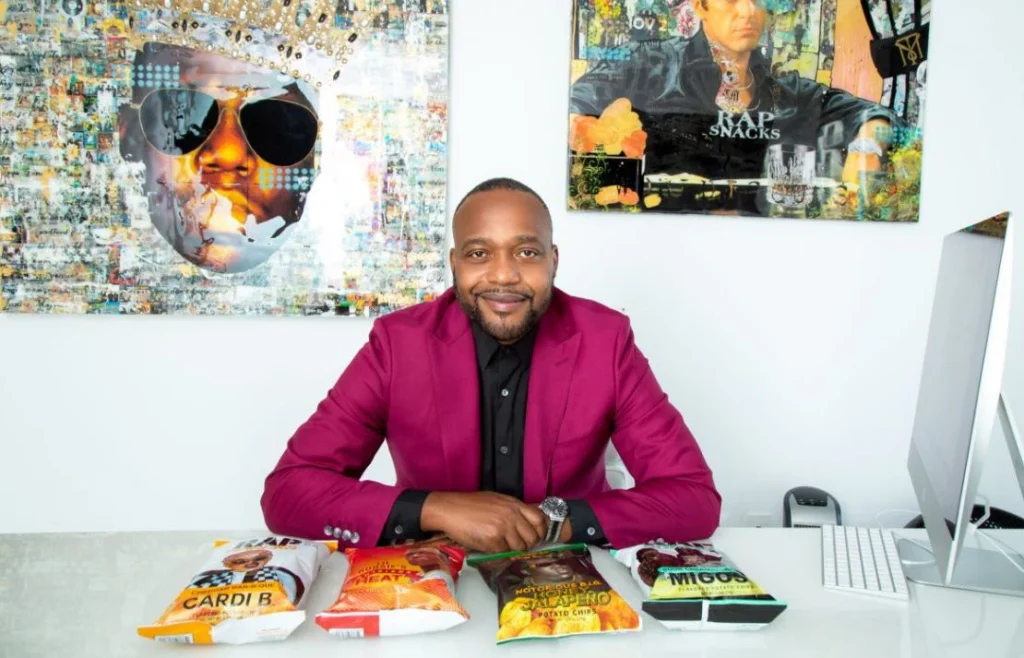
Rap Snacks is a modern case study in culturally fluent branding. The company took a familiar product category—convenience-store snacks—and turned the packaging into the primary storytelling surface. Each bag functions like a limited-edition collaboration, pairing recognizable artists with flavors that reflect their persona, language, and audience. The brand’s success is driven by four consistent principles: authentic partnerships rooted in hip-hop culture, product naming that reads like a lyric or catchphrase, a unified visual identity across multiple snack categories, and wide distribution that places the brand in everyday retail environments rather than niche channels. Rap Snacks’ partnership strategy is central to its growth. Cardi B’s line includes Honey Drip Butter Popcorn, Jerk BBQ Wavy Chips, Habanero Hot Cheese Popcorn, and Cheddar Bar-B-Que Chips—flavors that mirror her bold public image and appeal to both fans and casual snack buyers. Migos expanded the brand’s remix concept with flavors such as Sour Cream With a Dab of Ranch and Bar-B-Quin With My Honey With a Dab of Ranch, extending those profiles into cheese puffs and other formats. Rick Ross’ Sweet Chili Lemon Pepper chips build on a familiar cultural flavor reference while adding a distinctive twist, and his partnership also extends into candy products. Master P’s Honey BBQ Oowee Wavy Chips, along with related cheese puffs and pork skins, demonstrate how a single partnership can scale across multiple snack categories. Additional collaborations with artists such as Boosie, Fetty Wap, Romeo, Lil Baby, NBA YoungBoy, and Nicki Minaj reinforce Rap Snacks’ ability to remain current while maintaining a consistent brand system. At the center of Rap Snacks is Founder and CEO James Lindsay. Under his leadership, the company positioned itself as “the official snack of hip-hop,” but more importantly, Lindsay built a repeatable business model that blends licensing, mass retail distribution, and cultural authenticity. Rather than relying on one-off celebrity endorsements, Rap Snacks treats each collaboration as a long-term brand extension, allowing artists to participate in ownership narratives while keeping the core brand recognizable on shelves nationwide. That same brand discipline is now being applied to Lindsay’s newer venture, Do The Right Thing. The brand introduces vegetable-based snacks made with ingredients such as real vegetables and avocado oil, positioning itself within the growing better-for-you snack market. Products like Veggie Krackle show how culturally rooted brands can expand into healthier categories without abandoning flavor, accessibility, or visual appeal. This move reflects an important evolution: applying the lessons of successful cultural branding to products that better support long-term community health. The importance of this shift cannot be overstated. Black-owned brands have historically faced barriers to scale, distribution, and ownership in the food industry. Rap Snacks proves that authentic storytelling and cultural relevance can earn national shelf space. Do The Right Thing builds on that foundation by addressing the need for healthier alternatives in communities that are often underserved by better-for-you products. Together, the brands demonstrate that representation is not only about visibility, but about leadership in product quality, business strategy, and consumer well-being. In addition to redefining snack culture through flavor and cultural resonance, Do The Right Thing is rapidly scaling its retail footprint. In early 2026, Do The Right Thing chips earned a nationwide distribution deal with Costco, placing its better-for-you Veggie Krackle lineup—crafted with real vegetables, gluten-free formulation, and cooked in 100% avocado oil—on shelves across the United States in bulk club environments. Following the Costco rollout, the brand has also expanded into mainstream grocery channels with placement planned or active in all 1,800 Kroger stores nationwide, significantly widening access to healthier snack alternatives. This expanded distribution underscores the strategic objective of bringing culturally relevant, better-for-you products into core retail ecosystems where Black-owned brands have historically been underrepresented, reinforcing that cultural storytelling and wellness can coexist at scale. Rap Snacks and Do The Right Thing offer valuable lessons for entrepreneurs and creatives building brands today: culture must be respected, partnerships must feel earned, and long-term impact requires both smart branding and responsible product decisions. This approach aligns closely with Making A Brand’s mission—teaching creators how to build businesses that are culturally relevant, commercially viable, and socially meaningful. Related Links Rap Snacks Official Website: https://www.rapsnacks.net Rap Snacks Product Collections: https://www.rapsnacks.net/collections/all James Lindsay – CEO Profile: https://www.rapsnacks.net/pages/james-lindsay Do The Right Thing Snacks: https://www.dotherightthingsnacks.com Do The Right Thing at Costco: https://sameday.costco.com/store/costco/collections/rc-fruit-vegetable-snacks
Happy New Year – Year Of The Entrepreneur

Don’t Look Back Every new year arrives with the same promise: a clean slate, fresh energy, and the hope that this year will be different. But for entrepreneurs, the calendar doesn’t magically change the game. The challenges you faced last year will still be there—competition, cash flow, doubt, exhaustion, and fear. The only thing that should change is your mindset. Entrepreneurship begins and ends in the mind. If you’re afraid to fail, you’ve already lost. Failure isn’t the opposite of success; it’s the tuition you pay for it. Every founder you admire has failed—often publicly, painfully, and repeatedly. The overnight success story is a myth sold to people who don’t want to hear the truth. Real businesses are built through years of mistakes, corrections, and uncomfortable lessons. I often say this to people starting their first company: everybody’s baby isn’t pretty. Because it’s your idea, you believe it’s perfect. Even if it has three eyes and a limp, you’ll swear it’s beautiful. That emotional attachment can blind you. A real entrepreneur steps back, strips away ego, and asks hard questions. Is the concept sound? Does it solve a real problem? Is there a market willing to pay for it? Before you invest time, money, and pride, your business model must be thought through with brutal honesty. Then there’s financing—the quiet killer of most startups. The truth is simple: most businesses don’t fail because the idea was bad; they fail because the money ran out. Banks won’t touch you without a proven track record. Friends and family may cheer you on, but when it’s time to write a check, enthusiasm fades fast. That usually leaves one source of funding: you. You will burn cash. Even well-run businesses with healthy margins do. That’s why clarity matters early. Ask yourself three foundational questions: Are you first? Are you better? Or are you different? If your business can clearly answer at least one of these, you have something to build on. If it can’t, you’re gambling—not building. And let’s clear up one of the biggest lies people tell themselves: there is no such thing as a part-time entrepreneur. You can’t build something meaningful in the leftover hours of your life. A day job doesn’t take “just” eight hours—it drains your energy, focus, and creativity. By the time you’re done, you’re exhausted. The idea that you’ll go home and build a company with the same intensity is a fantasy. Entrepreneurship requires full commitment. Stability and comfort are the enemies of progress. If you’re chasing security, this path isn’t for you. There is no stability here—only risk, uncertainty, and constant movement. Some years will be incredible. Others will test everything you believe about yourself. That’s the deal. One of the most damaging forces in a startup is someone who claims the title of entrepreneur while clinging to a full-time job. They don’t understand urgency. They don’t feel the pressure. And they will slow everyone down. When you encounter this person, remember the advice passed down to me: move left or move right, but get out of the way. Now for the upside—because there is one, and it’s powerful. You’re resilient. You’re committed. You’re willing to work when others quit. You understand the financial reality and have done the homework. You’ve studied your competitors, learned the industry, and refined your product or service until it’s ready to meet the world. You’re not chasing a dream—you’re executing a plan. You also understand something most people never will: the reward isn’t just money. It’s ownership. Freedom. The ability to build something that supports your family, creates opportunities for others, and reflects your values. When it works—and it will if you stay disciplined—the income follows the effort. This is the year of the entrepreneur. Not the hopeful. Not the curious. The committed.Once you step forward, there is no looking back.
Denim Designer Maurice Malone Prepares To Launches Hands-On Jeans-Making Workshop in Brooklyn
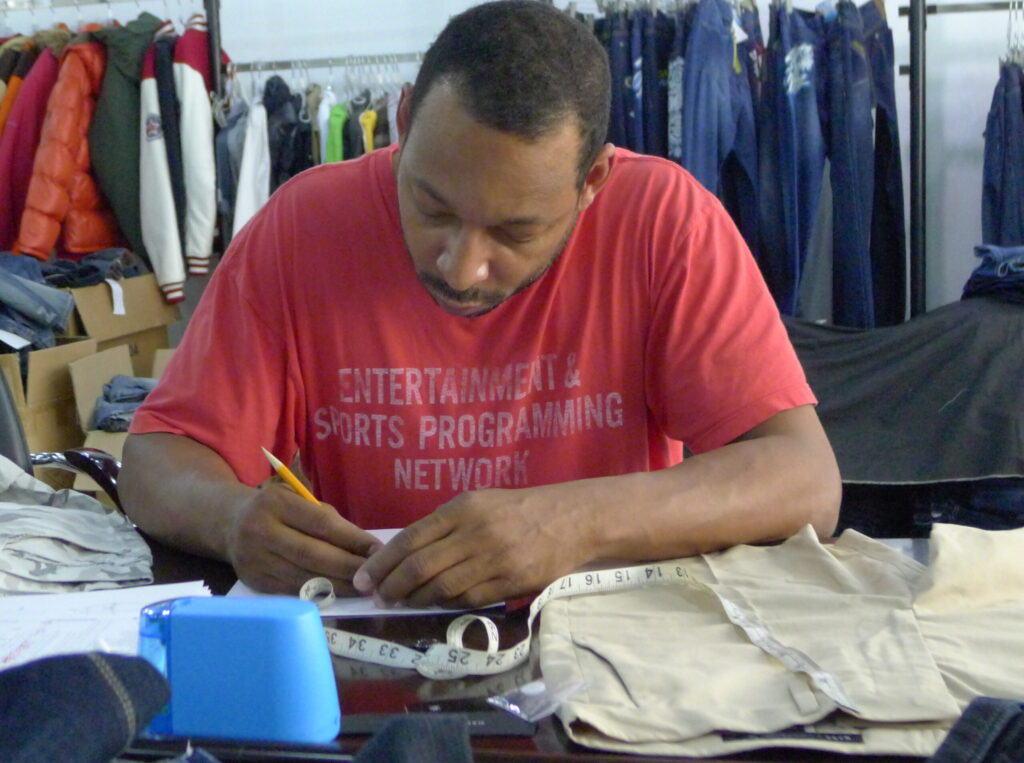
Next year, legendary denim designer Maurice Malone is opening the doors to a new era of denim education with the launch of an in-person, hands-on Jeans-Making Workshop at the Williamsburg Garment Company studio in Brooklyn. Developed in collaboration with leading industry partners, the workshop offers a rare opportunity to learn the art and process of professional jeans-making inside a fully operational denim studio. Participants will receive direct instruction from Maurice Malone and gain practical, in-depth experience using authentic denim production tools and techniques. The workshop is scheduled for Sunday evenings starting in January 2026 (official date to be announced). While pricing and enrollment details are being finalized, interested participants can sign up now at MakingABrand.co for early access and updates when registration opens. “This program is designed for those who are serious about denim,” says Maurice Malone. “Whether you’re a fashion design student, an emerging brand founder, or an apparel professional, this workshop goes beyond theory. You’ll be working hands-on in a real studio environment, learning what it truly takes to make jeans at an expert level.” Unlike online tutorials or social media content, this in-person experience provides participants with the opportunity to ask questions, receive real-time feedback, and immerse themselves in the craftsmanship that defines professional denim making. The Maurice Malone Jeans-Making Workshop is not for hobbyists or casual sewists—it’s built for those dedicated to mastering denim design from the ground up. To learn more and sign up for early registration alerts, visit MakingABrand.co.
AI for Creators: Fear, Opportunity, and the Next Generation of Creativity
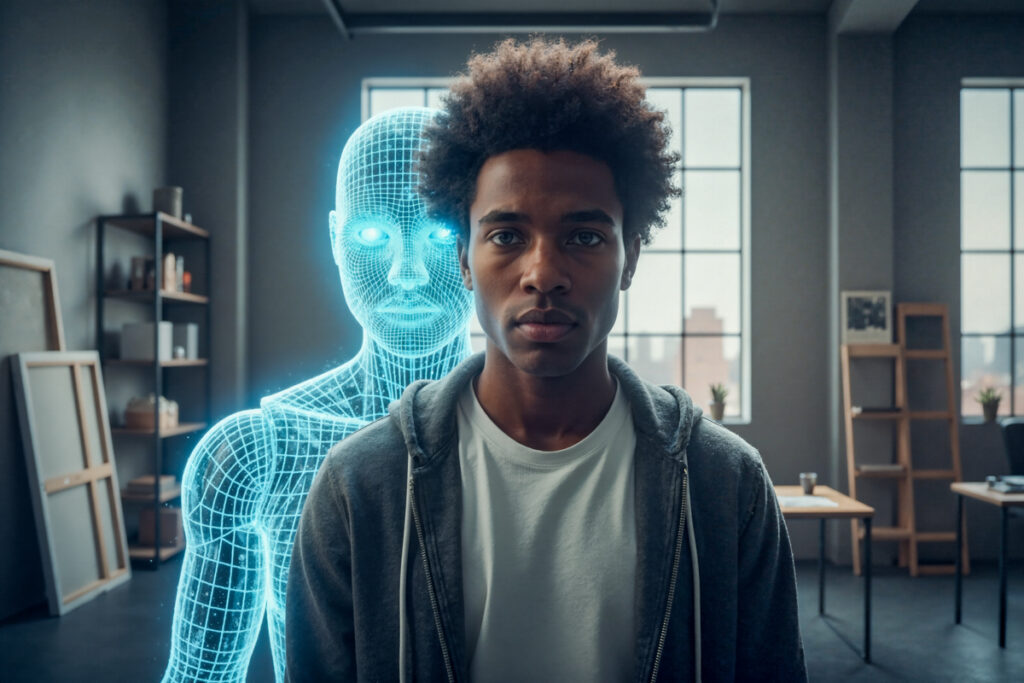
Every morning in 2025 feels like waking up to a new headline about artificial intelligence. A model that creates video from text. A tool that can design apps in minutes. A voice so real you’d swear it belonged to someone you know. For creators, this flood of innovation is equal parts thrilling and unsettling. The speed is breathtaking, but so is the uncertainty. That tension, fear and excitement existing at the same time, it is what defines this moment for creators. AI is not something you “add on” to your work anymore; it has already seeped into every stage of the creative process. How AI Slipped Into the Creative Workflow I didn’t make a big decision one day to “start using AI.” It happened gradually, until I realized it was everywhere. Nudging its way into my daily routines the same way smartphones once did, until suddenly you can’t imagine working without it. When I design a poster or ad, I’ll often create it myself first, then ask AI to critique it. It points out spacing issues, offers adjustments, even suggests ways to sharpen the tone. What used to take hours of second-guessing now takes minutes of conversation. When I need ideas for a campaign, I don’t stare at a blank page anymore. I ask AI to spit out possibilities. Most of them aren’t perfect, but they get me moving. Even in production, it’s shaved off the small frustrations. I once spent 20 minutes painstakingly cutting hair out of a photo with a pen tool in Photoshop; now, I highlight it and it’s gone in seconds. And then there’s coding. I’m not a full-stack developer, but with AI, I’ve built functioning web apps by describing what I want. That’s not a shortcut, it’s a door I couldn’t open before. AI didn’t knock on the door of my work. It moved in, rearranged the furniture, and left me wondering how I ever managed without it. The Allure: Speed and Scale If there’s one word to describe AI’s power for creators, it’s speed. An app that used to cost six figures and months of development can now be built over a weekend. A video ad that once required a production crew can be generated from a single product photo. A brainstorm that might take hours now happens in seconds. But speed is only part of the story. What excites me most is the way AI removes limits. With image and video generation, I can test ideas I never would have attempted before. I can run experiments that used to require too much money, too much time, or too much technical skill. The freedom to try more, fail faster, and push boundaries, that’s the real benefit. This has leveled the playing field in ways that are hard to overstate. A small creator can now put out ads that look like Tiffany & Co. produced them. A clothing brand can model their line on avatars walking down Fifth Avenue without ever leaving their bedroom. What was once locked behind big budgets is now within reach of anyone with vision and curiosity. The Uneasy Side Of course, there’s a shadow to all this progress. AI’s ability to mimic styles raises real ethical questions. When a model can generate a painting “in the style of Picasso” or anime, where does inspiration end and exploitation begin? Artists have always borrowed, but AI borrows at the speed of code, often without credit or compensation. Accuracy is another problem. AI can sound confident while producing nonsense. If creators publish blindly, we risk flooding the world with beautiful but false content. That’s why I believe speed doesn’t replace responsibility. The time AI saves should be reinvested in checking, refining, and ensuring the work is right. And then there’s dependence. The more creators lean on AI, the more we risk losing the muscle of our craft. Worse, we risk blurring what it means to be a creator in the first place. If anyone can prompt an image or a video, does that make them a creator? Or is being a creator about something deeper, the ability to infuse work with originality and emotion? That’s the debate we’re heading toward. Keeping the Human Edge For me, AI is a collaborator, not a replacement. I’ll let it suggest, enhance, and accelerate, but the final creative voice has to be mine. That’s because what matters most isn’t how polished something looks, it’s how it connects. Audiences might not care if a video was AI-assisted. They care if it resonates. They care if it makes them stop scrolling, laugh, or feel something. We’ve seen this before. Filters once sparked debates about authenticity, and now they’re so normal we barely think about them. AI will follow a similar path. Eventually, it may be impossible to tell what was human-made or machine-made. Connection, not origin, will be the true measure. What’s Coming Next If AI feels big now, it’s only the beginning. Today, AI can already take a single product photo and generate a full commercial with music and voiceover. In three to five years, that kind of capability won’t be impressive—it will be expected. I believe AI will not just support creative departments; it will be the department. That doesn’t mean creativity dies. It means the definition of creativity changes. AI will flood the world with content, but only humans can bring the soul. Our edge isn’t in what AI can render, but in how we use those renderings to tell stories, move emotions, and build connections. Redefining the Creator This is where the question gets uncomfortable: what is a creator now? If a teenager with no design training types a prompt and generates a flawless ad, does that make them a creator? Or is creation about more than output? I lean toward the latter. A creator isn’t just someone who produces; it’s someone who infuses their work with perspective and humanity. That’s why I tell new creators not to treat AI as a crutch. Treat
God Said Give ’Em Drum Machines – Harlem Screening Recap
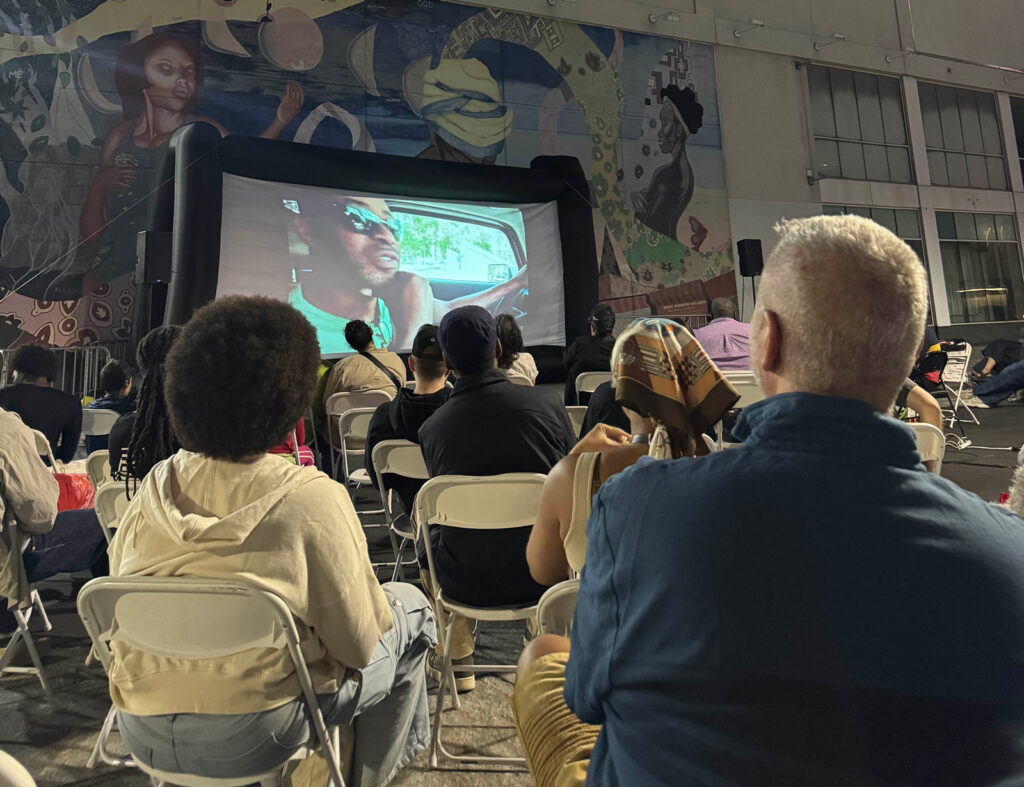
On August 27th, the plaza at the Adam Clayton Powell Jr. State Office Building in Harlem became a theatre, classroom, dance floor, and cultural archive all at once. The free outdoor screening of God Said Give ’Em Drum Machines, a documentary produced by David Grandison Jr, co-founder of Making A Brand (and mentor), offered the Harlem community a chance to learn about a genre and musical movement that reshaped global culture: Techno. Techno: A Branded Legacy The film God Said Give ‘Em Drum Machines tells how Techno was not just a sound—it was a brand created by visionary African-American teens in Detroit. In 1981, Juan Atkins coined the term “techno” as a musical art form in the groundbreaking track Techno City, setting it apart from its sister art form, house music, which was born in Chicago. Later, with the help of Neil Ruston from Virgin Records, Derrick May, Kevin Saunderson, Eddie Fowlkes Black Baxter, and Atkins helped establish techno as a distinct genre, with the release of the seminal album “Techno! The New Dance Sound of Detroit” (1988). This album contained a track considered the most successful crossover pop music success, “Big Fun” by Kevin Saunderson’s group Inner City. The 1988 Inner City techno song “Big Fun” hit number one on the U.S. Billboard Dance Club Play chart and reached number eight on the UK Singles Chart. This album branded techno as a cultural export that would eventually dominate global electronic music… while too often leaving its origin story in the Afro American community untold. Why Free Screenings Like This Matter Techno’s story began with Detroit teens branding a new sound—and now, through film, education, and collaboration, we’re making sure that story reaches and educates the communities that need it most. — David Grandison Jr., Producer & Co-Founder, Making A Brand and The Music Origins Project Events like this free Harlem screening reclaim techno’s identity and remind us that it was born from the creativity, experimentation, and resourcefulness of young Black innovators. Just as hip hop is celebrated as a source of pride in the inner city, techno deserves equal recognition. The sight of Harlem residents stopping to sit, stay, and watch the entire 92-minute film was a powerful validation of this mission—proof that when history is reclaimed, it sparks curiosity and pride. Community Partnerships David and the filmmakers were honored to collaborate with the Hip Hop Education Center and Maysles Documentary Center—organizations that share a mission of teaching through music, empowering underrepresented voices, and supporting grassroots creativity. These partnerships expand the reach of both the film and the curriculum, making cultural education available where it matters most. Support the Movement This event was made possible with the support of the New York Council on the Arts, the Governor’s Office, and the New York State Legislature. To keep the momentum going, we encourage everyone to support the organizations making this work possible: If this movement resonates with you, please support the organizations making it happen: Maysles Documentary Center – enabling emerging filmmakers to use filmmaking to amplify and expand underrepresented artists and narratives. Hip Hop Education Center – empowering individuals and communities—especially underserved and marginalized youth—by driving social change and educational equity through research, curated curricula, collaborative programming, career and leadership development, and the preservation of Hip-Hop’s living history. ImageNation – keeping cultural history alive through film, music, and storytelling. God Said Give ‘Em Drum Machines – Support the film as it seeks distribution funds, and join the mailing list to find out when it will be available for preorder and via streaming providers. Visit their websites and donate to support the causes that you feel are most important. Every donation helps fuel the work of telling stories that matter. Education Through Storytelling At Making A Brand, we believe in connecting cultural history to creative tools that can be used to help young entrepreneurs build their own brands. Documentary films don’t just tell stories—they open doors to deeper conversations and learning. That’s why it’s so important for films like God Said Give ’Em Drum Machines to be paired with educational companion projects. These resources transform a film from a one-time viewing experience into a lasting classroom tool. They give educators, nonprofits, and community groups practical ways to connect history, culture, and creativity to the lives of their students. Our Digital Storytelling Course and the Detroit Techno 101 curriculum were designed with this purpose in mind. By teaching people how to use inexpensive tools—like their own cell phones—to capture and share stories, we’re ensuring that the lessons of the film extend beyond the screen. Companion projects like this empower communities to reclaim their narratives, preserve cultural history, and inspire the next generation of creators. This curriculum is available for free to educators and nonprofits, ensuring that storytelling remains accessible to all. View this post on Instagram A post shared by David Grandison Jr. (@technomecca)
Pharrell Williams New Creative Venture – Virginia
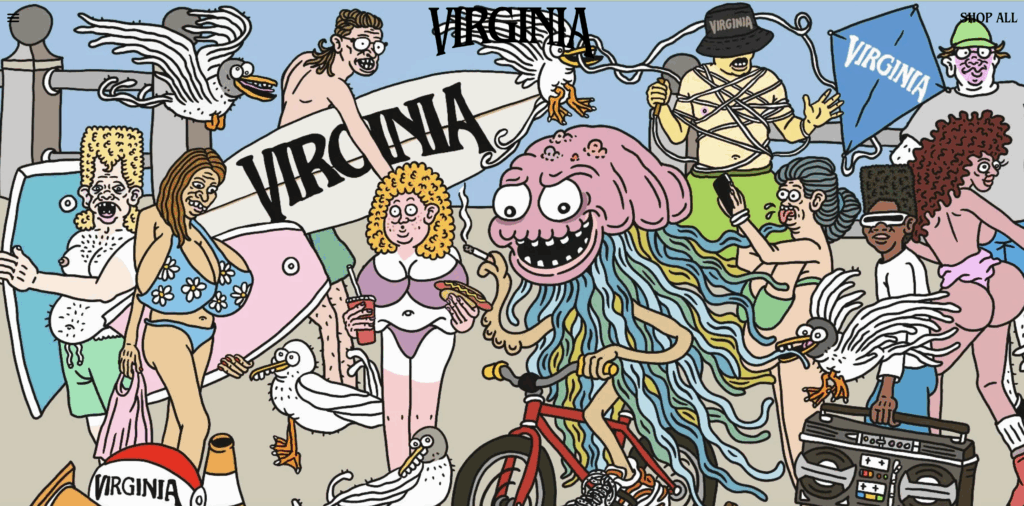
Pharrell Williams has unveiled VIRGINIA, a groundbreaking new creative platform that goes beyond the limits of music and branding to create an interconnected ecosystem of art, design, fashion, and community. Rooted in his personal identity and hometown pride, VIRGINIA is described by Pharrell as both “where I’m from and who I am creatively.” It is designed as a place for dreamers—a cultural meeting ground where talent, innovation, and collaboration come together. The platform offers a wide range of experiences and opportunities. It will host live music and community events, giving local and emerging artists a stage alongside Pharrell’s own creative ventures. It includes lifestyle merchandise and gear—from surfboards and swimwear to accessories and apparel—showcasing bold VIRGINIA branding. Pharrell has also partnered with Adidas to release the VIRGINIA Adidas Jellyfish sneaker, demonstrating his ability to merge streetwear, culture, and high design. The interactive side of the project lives on Blackyachtrock.com, a digital hub where fans can access exclusive content, virtual karaoke, and unique visuals by Virginia Beach artist Sam Clayman, while also gaining early access to music and product releases. VIRGINIA also marks the launch of Pharrell’s new genre-bending project, BLACK YACHT ROCK VOL 1: CITY OF LIMITLESS ACCESS, which he describes as a fresh sonic landscape blending cultural roots and innovation. At the same time, Pharrell is reimagining the physical landscape of his hometown with Atlantic Park, a $330–$350 million surf and culture destination in Virginia Beach. Built on the historic Dome site, this massive redevelopment includes a Wavegarden Cove surf lagoon capable of producing up to 1,000 waves per hour, catering to both beginners and professionals. The complex also features The Dome entertainment venue, residential units, retail shops, restaurants, and cultural spaces designed to revitalize the area. After years of planning and development, Atlantic Park officially opened on August 11, 2025, transforming Virginia Beach into a world-class surf and cultural hub. Together, VIRGINIA and Atlantic Park represent Pharrell’s boldest move yet—bridging digital creativity and physical innovation. Through these projects, he is simultaneously honoring his roots and elevating them to a global stage. VIRGINIA serves as a cultural platform for music, fashion, and design, while Atlantic Park stands as a testament to urban revitalization and community-driven entertainment. Pharrell has successfully united sonic waves with ocean waves, turning his hometown of Virginia Beach into both a symbolic and literal epicenter of limitless creativity and possibility.
Afiya Ricks: Shaping Financial Legacies for Future Generations
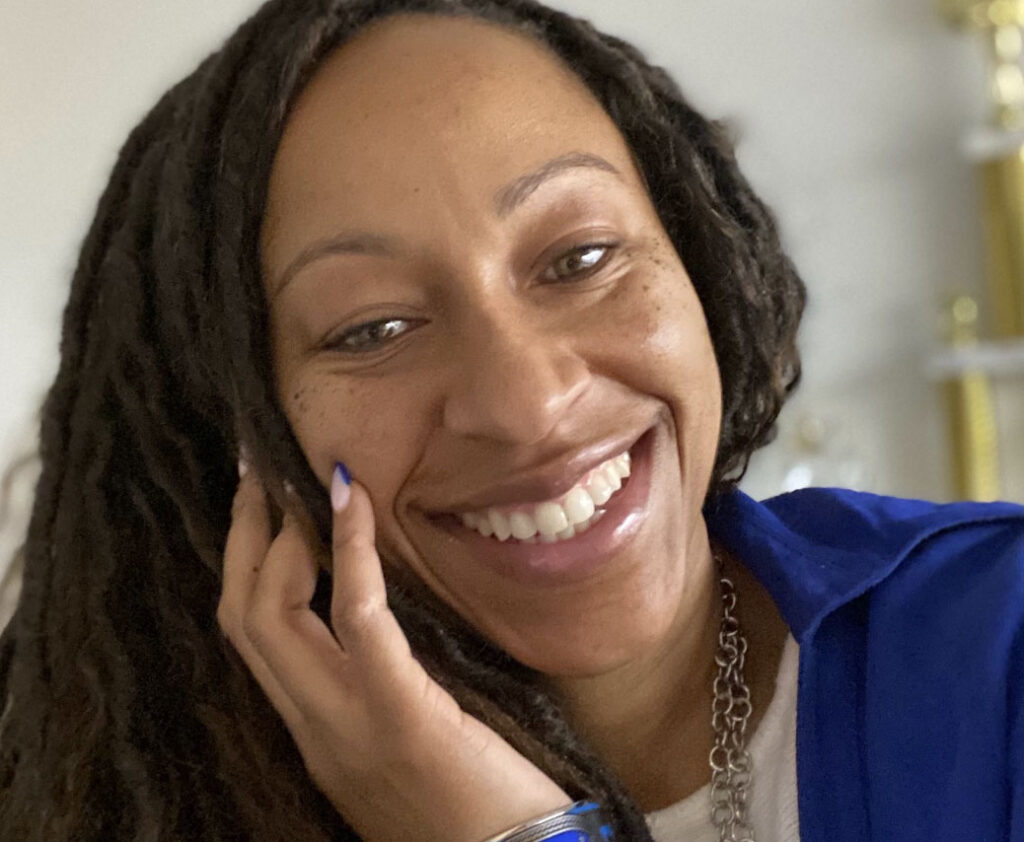
As we celebrate Women’s History Month, we honor trailblazers like Afiya Ricks, a financial advisor whose mission is to inspire and educate individuals about various aspects of finance. Afiya has been licensed 25 in finance and has dedicated her career to helping others build wealth while continuing to expand her own financial knowledge. What’s Your Financial Brand? Afiya Ricks embodies a financial brand that is deeply rooted in education, empowerment, and action. Her philosophy is simple: continuously learn, inspire others, and take decisive steps toward financial independence. She believes that financial literacy is not just about understanding numbers but about recognizing and maximizing one’s financial worth. Be the First Generation to Take Action Afiya emphasizes the importance of breaking generational cycles by taking the first step toward financial stability. Whether it’s eliminating debt, owning property, or creating a lasting financial legacy, she advocates for proactive engagement rather than passive discussion. Instead of waiting on the sidelines, she encourages individuals to be the first in their family to make strategic financial moves. Investing: Taking a Chance for Future Prosperity Many families are generations behind in starting the investment journey. Afiya stresses that someone must take the leap and begin the process — just as they would in homeownership or entrepreneurship. The stock market may seem daunting to newcomers, but it has been a powerful tool for wealth creation for centuries. Learning and adapting are key to long-term financial success. Knowledge is Power: Stay Informed and Take Action In a world where misinformation is rampant, Afiya underscores the importance of seeking knowledge from regulated and credible sources. Social media and sensationalized news are not substitutes for professional financial education. She urges individuals to understand their financial value, identify areas for growth, and actively work towards increasing their financial potential. A Trailblazer in Finance Afiya Ricks has spent over two decades in the financial services industry, consistently ranking as the #1 investment product wholesaler. She has played a pivotal role in raising over $2 billion in assets while working for two Fortune 500 companies. Her extensive Wall Street experience includes collaborating with financial firms and advisors to distribute mutual funds, ETFs, unit trusts, and annuities. Currently holding her Series 7 (used as Series 6), Series 26, and Series 63 FINRA licenses, along with multiple life insurance licenses, Afiya remains a powerhouse in the financial sector. Her dedication to financial education and wealth-building continues to inspire those looking to take control of their financial future. This Women’s History Month, we celebrate Afiya Ricks not only for her accomplishments but for her unwavering commitment to helping others build financial legacies that will last for generations to come. Contact Afiya Ricks
MakingABrand supports Pharrell Williams’ Black Ambition 5th Annual Competition
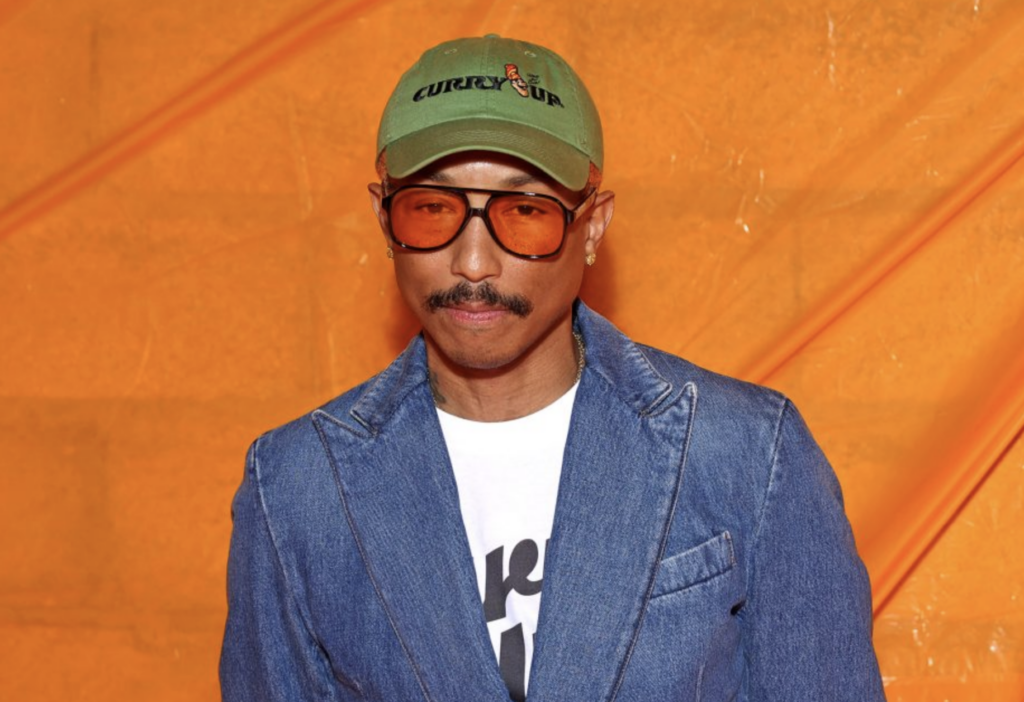
Pharrell Williams’ ‘Ambition’ Million Dollar Prize Contest is a game-changer for entrepreneurs, creatives, and visionaries looking to make an impact. As someone who has dedicated my career to building brands, empowering talent, and fostering innovation, I wholeheartedly support initiatives like this that provide opportunities for the next generation of rising stars. Championing the Next Generation of Entrepreneurs Throughout my career, I have always believed in the power of ambition, vision, and perseverance. From co-founding pioneering fashion brands like Mecca, Enyce, and Parish Nation to mentoring emerging creative entrepreneurs, my mission has been to uplift those who are ready to push boundaries and redefine industries. Pharrell’s contest aligns perfectly with MakingABrand’s mission, offering a life-changing opportunity for those who dare to dream big. Providing Mentorship and Guidance Success is not just about having a great idea—it’s about execution, strategy, and resilience. I am passionate about sharing my knowledge and experience with young creative entrepreneurs to help them navigate the complexities of business, branding, and growth. Whether through one-on-one mentorship, speaking engagements, or advisory roles, I take pride in guiding visionaries toward sustainable success. Advocating for Funding and Visibility One of the biggest hurdles for up-and-coming entrepreneurs is access to capital and exposure. Contests like ‘Ambition’ provide not just financial backing but also invaluable visibility. I have long supported initiatives that bridge the gap between talent and opportunity, ensuring that groundbreaking ideas don’t go unnoticed due to a lack of resources. Empowering Diverse Creators and Innovators Diversity in business and creativity is essential for progress. My commitment to supporting contests like ‘Ambition’ stems from the belief that innovative voices from all backgrounds should have the chance to be heard and celebrated. By backing programs that uplift underrepresented entrepreneurs, I aim to foster a more inclusive and dynamic business landscape. Encouraging Strategic Brand Building A strong brand identity is crucial for any entrepreneur looking to scale. Having built multiple successful brands, I understand the importance of storytelling, positioning, and authenticity. Through my support, I strive to equip aspiring business owners with the tools they need to craft compelling brand narratives that resonate with their audience and attract investors. The Future of Entrepreneurial Support Pharrell’s ‘Ambition‘ award is just one of many programs that inspire me. Moving forward, I will continue to champion initiatives that provide financial support, mentorship, and strategic guidance to those determined to make their mark. Success is a journey, and I am committed to helping the next generation of leaders navigate their path to greatness. If you’re an aspiring entrepreneur or creative, I encourage you to seize opportunities like this, believe in your vision, and never stop pushing forward. The world is waiting for your brilliance—let’s make it happen together. We at MakingABrand are here to help guide you to your success.
Maurice Malone: The Streetwear Pioneer Who Became a Denim Master
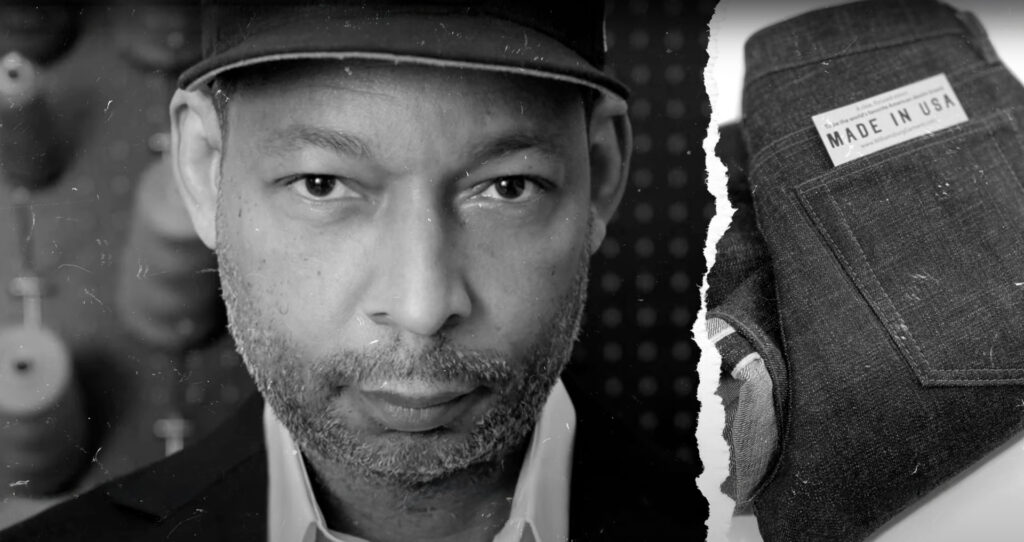
A Black History Month Tribute to a Streetwear Icon When discussing the pioneers of streetwear, few names carry the weight of Maurice Malone. A visionary in African-American streetwear, Malone revolutionized urban fashion in the late 1980s and 1990s, bridging the gap between hip-hop culture and high-end denim design. His journey from Detroit’s underground fashion scene to becoming an internationally recognized denim artisan is a testament to his innovation, resilience, and expertise. Malone’s story is deeply intertwined with the evolution of hip-hop and urban fashion. His early work placed him alongside streetwear legends like Tony Shellman of Mecca and Enyce, Karl Kani and April Walker of Walker Wear, but his relentless pursuit of craftsmanship as a denim designer set him apart. From Streetwear to High-End Denim: Maurice Malone’s Evolution Maurice Malone began his career in the late 1980s, designing bold, oversized apparel that became synonymous with ’90s hip-hop street style. His brand, Maurice Malone, gained rapid traction in the underground scene before becoming a nationwide phenomenon. His ability to merge urban aesthetics with high-quality craftsmanship made him a favorite among artists and streetwear enthusiasts. Building an Iconic Streetwear Brand in the ’90s In the early 1990s, Maurice Malone played a pivotal role in shaping Detroit’s hip-hop and streetwear scenes by opening The Hip-Hop Shop on 7-Mile Road. More than just a clothing store, it became a cultural hub and incubator for emerging artists, hosting legendary open mic battles and freestyle sessions that helped launch the careers of Eminem, J Dilla, Proof, and Slum Village. The shop’s influence extended beyond fashion, solidifying itself as a cornerstone of Detroit’s underground hip-hop movement. Through his vision, Malone provided a space where artists could hone their craft and connect with like-minded creatives, leaving a lasting impact on both fashion and music. For a deeper dive into Maurice Malone and the history of The Hip-Hop Shop, check out his site. By the mid-’90s, Malone was a staple in the fashion industry, with his designs appearing in major hip-hop music videos, magazines, and runways. His brand was one of the few Black-owned streetwear labels to gain mainstream recognition, paving the way for future generations of designers. Becoming a Denim Expert and the Art of Alteration While many streetwear pioneers remained focused on graphic tees and oversized fits, Malone took a different path. He studied denim construction in-depth, leading him to become one of the most respected denim experts in the industry. In the early 2000s, he transitioned from traditional streetwear into high-end denim manufacturing, founding Williamsburg Garment Company. His mastery of denim craftsmanship, tailoring, and alterations helped redefine how premium jeans were made. His expertise in fabric sourcing, sewing techniques, and garment alteration has made him a sought-after consultant in the fashion industry. Today, Malone is known for his unmatched ability to alter and customize denim to create perfect fits. His work reflects decades of experience, making him a go-to resource for both designers and customers looking for high-quality denim craftsmanship. 40 Years of Experience: Teaching the Next Generation After nearly four decades in the industry, Maurice Malone has shifted his focus toward education and mentorship. His journey from streetwear trailblazer to denim master is now a learning experience for up-and-coming designers, tailors, and entrepreneurs. On Making A Brand, Malone shares his insights on denim design, alterations, and brand-building, helping aspiring fashion professionals refine their craft. His dedication to teaching ensures that the next generation of Black designers has access to the knowledge needed to succeed in an increasingly competitive industry. For those looking to purchase jeans online, Malone has created a detailed tutorial on how to accurately measure denim for the perfect fit. Watch the video below to learn his expert tips for online jean shopping. Learn More About Maurice Malone & Denim History Ready to take your denim expertise and fashion brand to the next level? Join Maurice Malone’s exclusive course on Making A Brand, where you’ll learn directly from a 40-year industry veteran. Gain insider knowledge on denim construction, alterations, and brand-building from one of the most respected names in streetwear and fashion. Reserve your spot today and start learning from a true pioneer! Enroll Now Resources & References: Williamsburg Garment Company MauriceMaloneUSA.com The Hip Hop Shop.com Music Origins Project